The Rise of QR Code Scams: Why “Quishing” Is a Growing Threat
 Paul Oyelakin
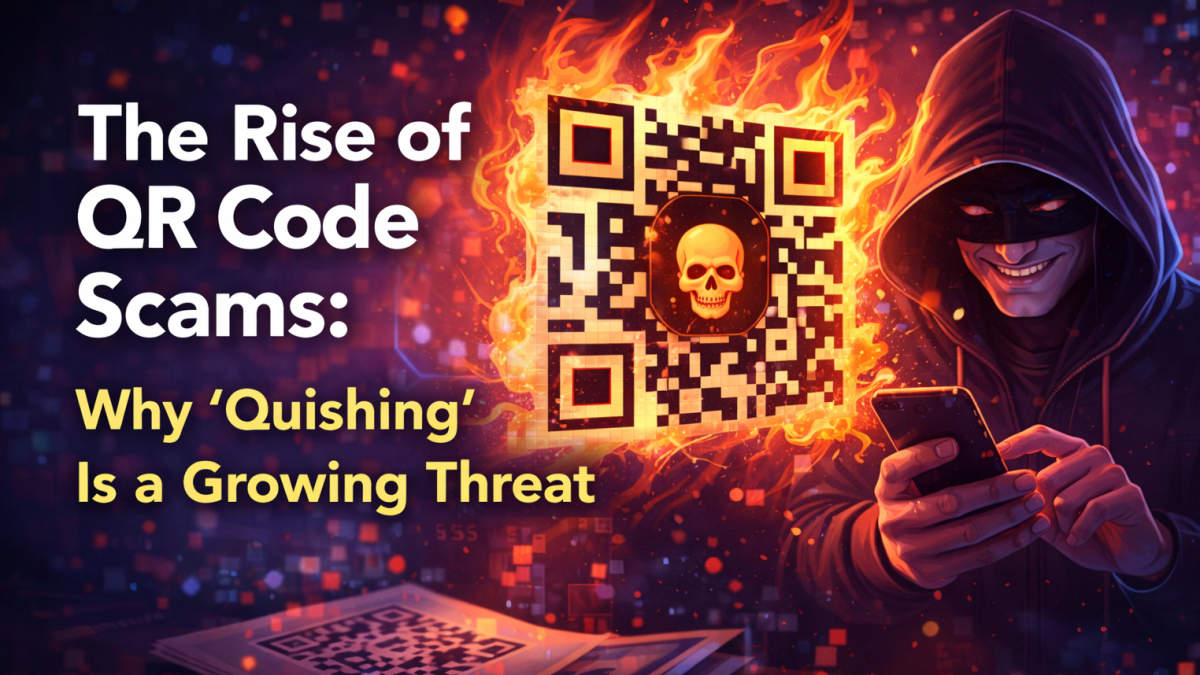
That QR code might not be safe. Discover how quishing scams work and why this growing threat is catching people off guard.
QR codes have become a normal part of everyday life. People use them to view restaurant menus, pay for parking, download apps, access school resources, and log into online accounts. Their convenience and speed make them appeal, but those same qualities have also made QR codes an attractive tool for cybercriminals.
A growing scam known as “quishing”, or QR code phishing, is taking advantage of people’s trust in QR codes. Many users scan these codes without thinking twice, unaware that a single scan can lead to stolen information, financial loss, or malware infections.
What Is Quishing?
Quishing is a form of phishing that uses QR codes instead of clickable links. When a user scans a malicious QR code, they may be redirected to a fake website designed to steal login credentials, personal information, or payment details. In some cases, the scan can even initiate the download of malicious software onto the device.
Because QR codes do not display a visible URL before scanning, users often trust them more than links in emails or messages. This lack of transparency makes quishing particularly dangerous and difficult to detect.
Where QR Code Scams Are Appearing
QR code scams are showing up in both physical and digital environments. Cybercriminals often place fake QR codes over legitimate ones in public spaces such as parking meters, restaurant tables, gas pumps, or public posters. In digital spaces, malicious QR codes may be sent through emails, text messages, or social media messages that appear to come from trusted organizations.
These scams are also appearing in workplaces and on school campuses, where QR codes are commonly used for schedules, forms, event check-ins, or IT support. Because QR codes blend naturally into these environments, users are less likely to question them.
Why QR Code Scams Are So Effective
QR code scams are effective because they remove one of the most common warning signs of phishing: the ability to inspect a link before clicking it. When scanning a QR code, users typically do not know where they are being redirected until the page loads.
Quishing also relies heavily on psychological manipulation. Many scams create a sense of urgency by claiming an account will be locked; a payment is overdue, or immediate action is required. Others rely on authority, pretending to come from a bank, employer, school, or government agency. When people feel rushed or pressured, they are more likely to act without verifying the source.
Younger users, including Gen Z, are especially frequent users of QR codes and may feel confident navigating digital environments. However, familiarity can sometimes lead to overconfidence, making it easier for attackers to exploit routine behaviors.
What Happens After Scanning a Malicious QR Code
The consequences of scanning a malicious QR code can vary. Some victims are redirected to fake login pages that capture usernames and passwords. Others are asked to enter credit cards or banking information, which can lead to financial fraud.
In more serious cases, malware may be installed on the device. This malware can monitor activity, steal stored data, or provide attackers with ongoing access to the system. Often, victims do not realize anything is wrong until unusual charges appear, or accounts are compromised later.
How to Protect Yourself from QR Code Scams
While QR codes themselves are not inherently dangerous, how and where they are using matters. Being cautious can significantly reduce the risk of falling victim to quishing.
Users should be especially careful when scanning QR codes in public places, particularly if the code appears damaged, altered, or placed over another code. QR codes received through unexpected emails or text messages should be treated with skepticism. Once a website opens, checking the URL carefully for misspellings or unusual domains can help identify fake sites.
Whenever possible, users should avoid entering passwords or payment information on a site reached through a QR code and instead navigate directly to the official website. Many smartphones now display a preview of the link before opening it, which can be a helpful tool for verifying legitimacy.
Why This Matters
As digital tools become more integrated into everyday life, cyber threats are evolving to feel just as seamless. QR code scams demonstrate that cybercriminals do not always rely on complex hacking techniques. Instead, they often succeed by exploiting trust, convenience, and routine behavior.
Organizations are beginning to respond by educating users and reducing reliance on QR codes for sensitive actions, but individual awareness remains one of the strongest defenses.
Final Takeaway
QR codes are likely to remain a part of daily life, but blind trust can come at a cost. Treat QR codes the same way you would treat links in emails or messages, pause, verify, and think before you act.
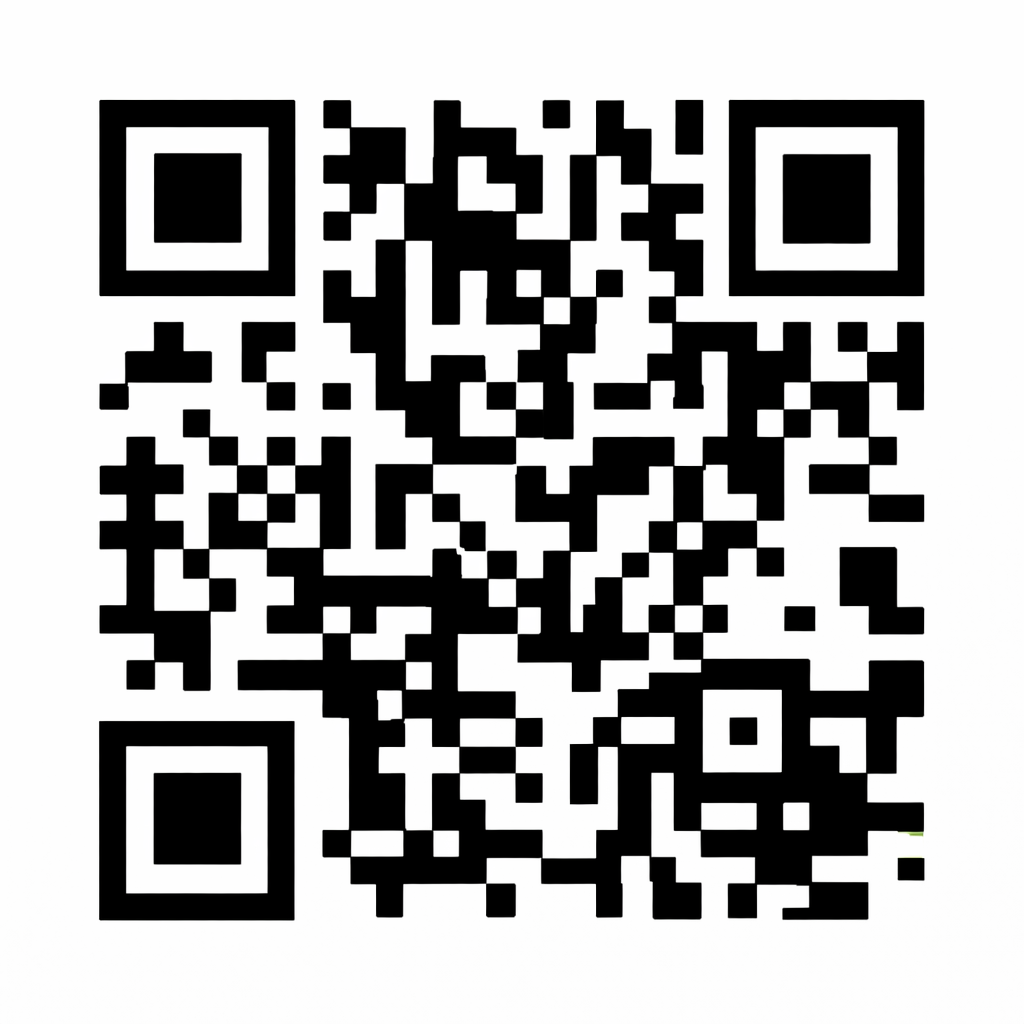
In cybersecurity, convenience should never replace caution. But with PJ courses, you don't have to compromise either. Scan this QR code to sign up for a 2 months free access pass.
Categories: : Blog