Data Breaches in 2025: What’s Really Being Stolen and Why It Matters
 Paul Oyelakin
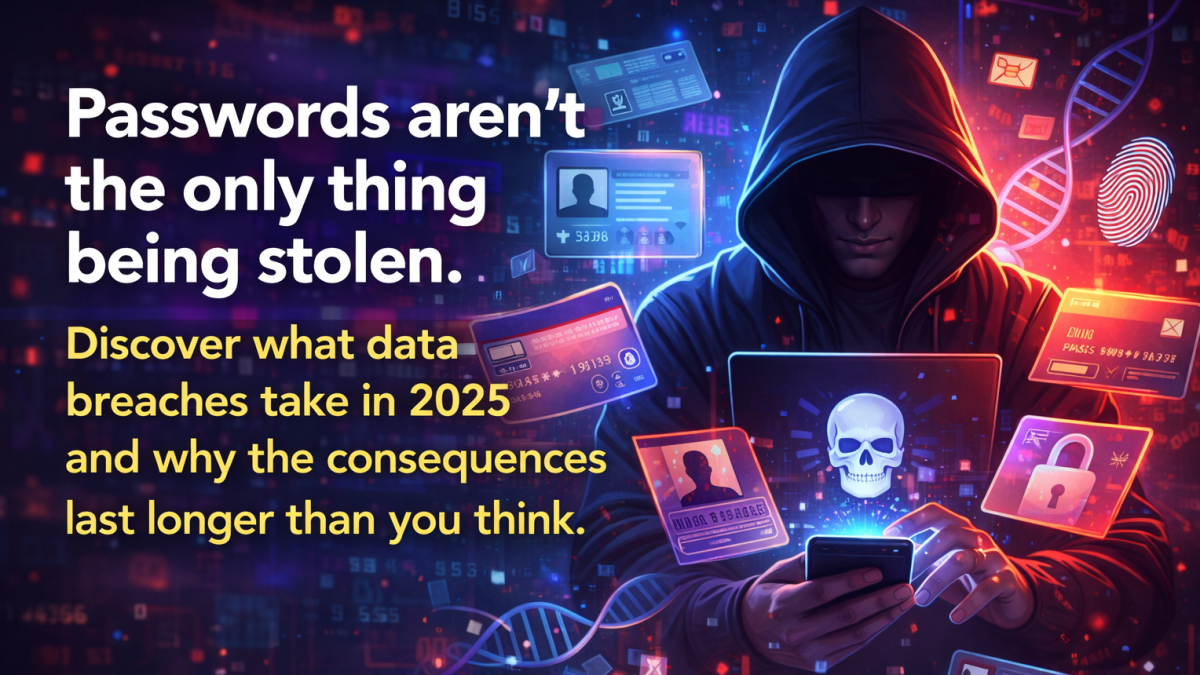
Passwords aren’t the only thing being stolen. Discover what data breaches take in 2025 and why the consequences last longer than you think.
Data breaches have become one of the most common and damaging cybersecurity threats in today’s digital world. Headlines often focus on the size of a breach or the company involved, but they rarely explain what information is stolen, or why it matters long after the news cycle ends. In 2025, data breaches are not just about leaked passwords; they involve a wide range of personal and sensitive data that can follow victims for years.
Understanding what is being stolen and how it is used can help individuals better protect themselves and recognize the real impact of modern cyberattacks.
What Is a Data Breach?
A data breach occurs when unauthorized individuals gain access to confidential or protected information. This can happen through hacking, phishing, malware, insider threats, or system misconfigurations. Breaches can affect corporations, governments, schools, healthcare systems, and individuals.
Once data is exposed, it can be copied, sold, or reused repeatedly. Even if a company fixes the vulnerability, the stolen data often continues to circulate on the dark web or underground markets.
What Types of Data Are Stolen Today?
Modern data breaches involve far more than just usernames and passwords. One of the most stolen types of information is personal identification data, including full names, dates of birth, addresses, phone numbers, and email addresses. This information is often used to build detailed profiles of individuals for identity theft or future scams.
Login credentials remain a major target, especially when people reuse passwords across multiple accounts. A single compromised password can give attackers access to banking, social media, academic, or work-related accounts.
Another growing concern is the theft of financial data, such as credit card numbers, banking details, and payment app information. This data can be used directly for fraud or sold to other criminals.
In recent years, biometric data has also become a valuable target. Fingerprints, facial recognition data, and voice samples are increasingly stored by organizations. Unlike passwords, biometric data cannot be changed once it is compromised, making these breaches especially concerning.
Why Stolen Data Is So Valuable to Cybercriminals
Stolen data is valuable because it can be reused in many ways. Cybercriminals often sell personal data in bulk to other attackers, who then use it for phishing campaigns, account takeovers, or identity theft.
Even seemingly harmless information, such as an email address or phone number, can be combined with other leaked data to create convincing scams. This practice, known as data aggregation, allows attackers to personalize their messages, making them more believable and harder to detect.
In some cases, stolen data is held for months or even years before being used. Victims may feel safe after changing passwords, only to be targeted later when the data resurfaces in a new attack.
Who Is Most at Risk?
While large corporations often make headlines, individuals are frequently the ones who suffer the long-term consequences of data breaches. Students, employees, and everyday users may experience account takeovers, financial loss, or identity theft because of stolen information.
Younger users may underestimate the impact of data breaches, assuming that leaked data is harmless if no immediate damage occurs. However, personal data can remain useful to attackers for years, especially when combined with new leaks.
Organizations that store large amounts of sensitive data, such as healthcare providers, educational institutions, and financial services, are also prime targets due to the value of the information they hold.
What Happens After a Data Breach?
The effects of a data breach often extend far beyond the initial incident. Victims may experience fraudulent transactions, damaged credit scores, or unauthorized account access. Some may face repeated phishing attempts or scams tailored using their leaked data.
For organizations, breaches can lead to legal consequences, financial losses, reputational damage, and loss of customer trust. Recovery can take months or even years, and some organizations never fully regain public confidence.
How Individuals Can Reduce Their Risk
Although data breaches are often outside an individual’s control, there are steps users can take to reduce the damage. Using strong, unique passwords for each account can prevent attackers from accessing multiple services with the same credentials. Enabling multi-factor authentication adds an additional layer of protection.
Monitoring bank statements, credit reports, and account activity can help detect suspicious behavior early. Being cautious with emails, messages, and links is also critical, as phishing remains one of the most common ways breaches begin.
Why This Matters Moving Forward
As digital systems continue to store more personal data, the impact of data breaches will only grow. These incidents are not just technical failures, they affect real people, finances, and futures.
Understanding what is stolen in a data breach helps shift the conversation from headlines to real-world consequences. Awareness, combined with good security habits, remains one of the most effective defenses in an increasingly data-driven world.
Final Takeaway
Data breaches are not just about lost data, they are about lost trust, privacy, and security. In 2025, protecting personal information is no longer optional; it is a necessary part of participating in the digital world.
Staying informed is the first step toward staying protected. Learn more about your data and how to protect it at pjcourses.com.
Categories: : Blog